Family meal planning
For a household with mixed schedules and different appetites, we look for a dietitian who plans around batch cooking, one pot for two meals, and food that keeps well in the fridge.

How it works
Registering for an online consultation with a dietitian takes a few minutes. From there, the process follows a clear path: match, assess, plan, and follow up. This page walks you through each step so you know exactly what happens after you submit the form.
Consultations run Monday to Friday, 9:00 AM – 6:00 PM. Registration does not commit you to a session.
Most people arrive with a rough goal and a lot of questions: what to cook on a working week, how to eat during breastfeeding, how to feed a parent who no longer cooks. The consultation turns that into something you can follow on an ordinary Tuesday.

Step one
Start with the registration form on this site. You share your name, contact details, general goal, and any life stage relevant to your consultation, such as pregnancy, breastfeeding, or support for an older family member.
The more context you give, the better we can match you. Filing the form does not commit you to anything; it starts the conversation. Write in ordinary language, the way you would describe your week to a friend.
Registration happens on the contact page, not on this page.
Register for a consultationStep two
We read your details and match you with a dietitian whose focus fits your situation, then send you their details and the times they can take your first session.
Meet our dietitiansFor a household with mixed schedules and different appetites, we look for a dietitian who plans around batch cooking, one pot for two meals, and food that keeps well in the fridge.
For support while pregnant or breastfeeding, we look for a dietitian who works on meal patterns and portion variety through those stages, with the practical side: energy levels, appetite, and foods you actually tolerate.
When a doctor has already asked you to change how you eat, we match a dietitian who works alongside that advice and adapts everyday meals around it.
If you are arranging meals for a parent, we look for someone used to softer textures, smaller portions, and advising the family member who does the cooking.
Step three
Sessions run by chat, call, or video. You pick the format each time, and you can switch between them as your weeks change.
Chat
Suits quick questions and follow-ups you can answer between tasks. Good for checking a portion, a swap, or what to do about a meal you skipped.
Call
Works when you want to talk something through out loud, from planning a whole week to explaining why a meal keeps getting pushed to nine at night.
Video
Most useful for a first session, where your dietitian wants to see your full picture and you may want to show your kitchen, your usual shopping, or the portions you actually serve.
There is no extra charge difference between formats; the choice is about comfort, not level of care.

Step four
Your first consultation covers your current eating pattern, usual meals, cooking habits, work hours, and any dietary restrictions. Your dietitian will ask about your goals, what you have tried before, and what got in the way.
Expect questions, not a lecture. This session is mostly about understanding your situation. It usually takes under an hour, and you do not need to change anything about your diet beforehand. Turning up with your normal pattern is more useful.
Lab results are welcome if you already have them, but they are not required to begin.
Step five
After the assessment, your dietitian builds a meal plan tailored to your needs (kebutuhan gizi). It is based on Indonesian food you already cook, with portions and timing that fit your routine.
The plan lists everyday meals, plus options for the days you eat out or run late. You also get guidance on what to monitor between sessions, so the next conversation starts from real notes instead of memory.
Read the meal planning guideWhat a plan usually holds
Steps six and seven
Between sessions you track a few simple things: how meals went, energy levels, whether the plan fit your schedule. Nothing clinical, just enough for your dietitian to see what is working. If something is not realistic, say so. Adjustments made early keep the plan usable.
Follow-up is where the plan gets sharper. You review progress with your dietitian, who then adjusts portions, swaps ingredients, or changes timing. Over a few sessions, the plan moves from something you are trying to follow into how you eat.
The number and spacing of follow-ups depends on your goals and your life stage. Some clients check in weekly, others monthly. You set the pace with your dietitian rather than signing up for a fixed block in advance.
How long the whole process takes
Most clients move from registration to first session within a few days, depending on dietitian availability for their focus area.
The consultation itself is a single session. The plan and the follow-up stretch over weeks, and that is deliberate: a plan you have actually tried is easier to improve than a plan you have only read.
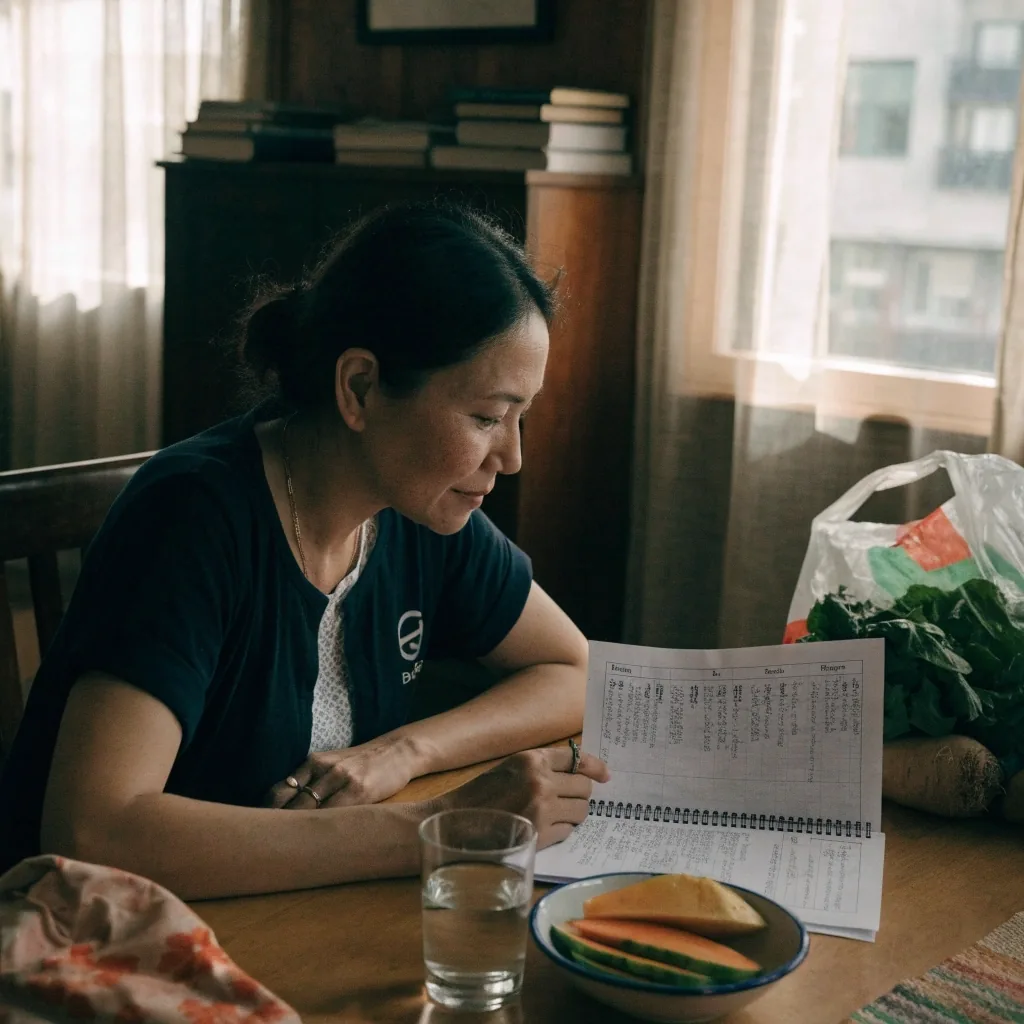
A few things worth knowing before you fill anything in.
Prefer to read more first? Browse the consultation topics before you decide.
Browse consultation topicsUsually within a few days, depending on dietitian availability for your focus area.
A rough note of your usual meals, allergies, and schedule helps. Lab results are welcome but not required.
Video suits first sessions, chat suits quick follow-ups, and calls work for both. You choose each time.
Yes. If the fit is not working, contact us and we will rematch you.
Registration is a short form and a reply. If you want to ask something before you sign up, call us or send an email and we will answer plainly.
NutriRangka
Consultations are guidance on food and eating patterns. They do not replace medical care from your doctor.