
Monday to Friday, 9:00 AM – 6:00 PM
NutriRangka ONLINE NUTRITION CARE
Registered dietitian and a client going through a week of everyday Indonesian meals at a sunlit table

Consultation topics

Everyday nutrition topics you can discuss

You do not need a special reason to talk to a dietitian. Most consultations begin with ordinary questions about the food already on your table.

What normally comes up in a first session

Below are the subjects clients bring most often. They are grouped by the situation you are in rather than by product or programme, because the plan follows your kitchen, your working hours and the people you feed. You can start with one and add others as your routine changes.

Pick the topic that shapes your ordinary week. The rest can wait for a follow-up session.

The topics in detail

Each one is a normal reason to book. Where several apply to you, start with the one that affects your daily life most.

Topic

Family meal planning

Feeding a household is a daily logistics problem. Your dietitian looks at who eats, what everyone likes, how often you cook and how much time you actually have. From there you get a meal plan built around Indonesian dishes you already make, with portions that suit different ages at the table. The aim is a week you can run without rewriting it every evening.

Life stage

Pregnancy nutrition

Appetite, tolerance and routine all shift during pregnancy. A consultation covers meals that stay manageable when nausea or fatigue interferes, along with the nutrients that matter most at this stage, worked into food you already eat rather than an unfamiliar menu. If you have medical questions beyond food, your dietitian will point you to the right professional.

Life stage

Breastfeeding nutrition

Practical support here means meals that keep your energy up, fit around unpredictable feeding schedules and do not demand elaborate cooking. It is treated as a life-stage subject, not a product category, and your dietitian adjusts the plan as your routine settles. Feeding your own needs is part of the schedule, not an extra task at the end of the day.

Household

Childhood and adolescent eating

Children and teenagers have their own patterns: school meals, snacks, sports, growing appetites. A consultation can help with picky eating, structuring meals around school hours, and making sure daily needs are covered without turning dinner into a negotiation. For adolescents, guidance often covers eating around training or study schedules, including what to pack and what to buy nearby.

Long term

Weight management as a pattern

Weight management works better as a pattern than a project. Your dietitian looks at your current meals, activity and daily rhythm, then suggests adjustments you can hold over months rather than days. Indonesia's public food guidance includes maintaining a normal weight as part of overall health, and consultations treat it the same way: one part of a wider routine, reviewed and adjusted as you go.

Working life

Eating well at work

Office hours, shift work and long commutes all shape what you eat. A consultation maps out realistic options: what to bring, what to order, and how to handle the late-afternoon gap when the nearest food is whatever is open. Your dietitian accounts for meals eaten near the office, at a warung, or wherever your day happens to land.

Household

Older adults and simple, adequate meals

For older family members the goal is often keeping meals simple while making sure needs are met. Appetite changes, dental issues and medication schedules all come into it. Your dietitian can suggest meals that are easy to prepare and easy to eat, built from what the household already cooks rather than a separate menu for one person.

Everyday habits

Healthy living and daily routines

Healthy living is broad by design, covering habits, routines and food patterns rather than one single fix. Some clients arrive without a specific goal, wanting general support for a better pattern. That is a valid reason for a consultation. Your dietitian will help you pick a few changes worth making and leave the rest alone, so the plan stays small enough to keep.

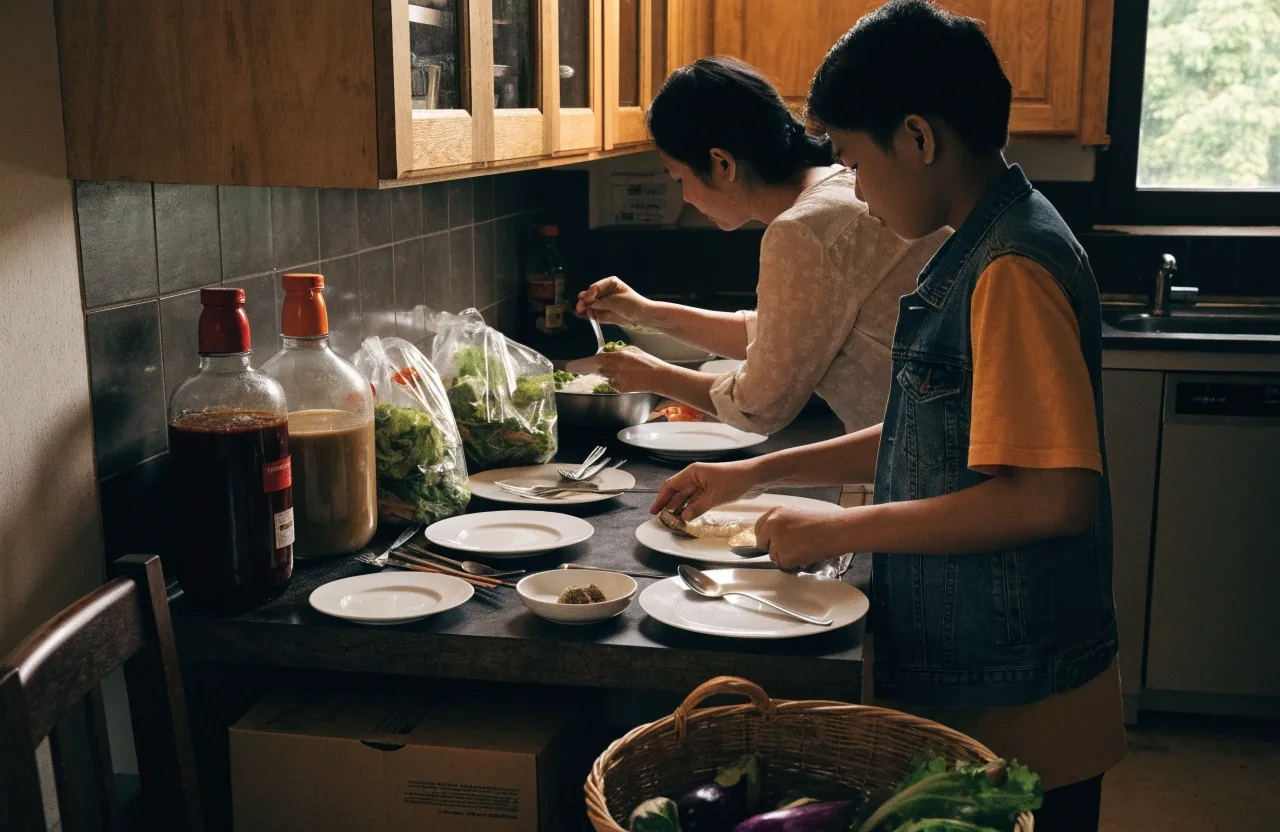
An Indonesian family kitchen at dinner time with plates being portioned for several ages

What a dietitian actually changes for your household

The work is practical. Portions get sized for the ages at your table, shopping matches what the market sells that week, and cooking time stops being the reason the plan fails.

Portions for every age

When one pot feeds a child, a teenager and two adults, serving size is the variable that matters most. You get a simple way to plate each person.

Shopping around what you cook

Plans are written for the dishes your household already makes, with substitutions for what the market has. You are not sent looking for specialist ingredients.

Realistic cooking time

If a recipe adds forty minutes to a working day, it will not survive the week. Time is one of the first things your dietitian will ask about.

A new mother with a simple breakfast beside her in a quietly lit room

Around pregnancy and breastfeeding

Two of the most common reasons people book a first session. The plan is built around how much you can actually eat in a day, not around a menu you have to force down, and it is reviewed as your appetite and routine settle. Meals stay close to what your household already cooks, so feeding yourself does not become a separate shopping list.

Meet our dietitians

How to pick your topic for the first session

If several of these apply, start with the one that affects your daily life most. Your dietitian can cover the rest in follow-up sessions. You do not need to prepare a formal list. Describing a normal day is often enough.

Start here
The one subject that touches the most days of your week, whether that is dinner for the household or meals during work hours.
Bring along
A picture of a typical day of eating, the times you usually cook, and any food you cannot or will not eat.
Leave for later
Anything that is not urgent. Follow-up sessions exist precisely so a long list does not have to fit into one conversation.
If you are unsure
Book anyway and say so. Dietitians are used to open starting points and will help you narrow it during the session.
Beyond food
If a question sits outside nutrition, your dietitian will tell you plainly and point you to the right professional.

Questions before you book

Short answers to what clients ask most often about the first consultation.

Do I need a diagnosis or a referral to book?

No. Most people come with an everyday concern and no paperwork at all. A consultation is about food and routine, and your dietitian will say clearly if a question belongs with another professional.

How many topics can one session cover?

A first session usually handles one main topic well. If family meals and weight management both apply to you, they can be handled across two sessions rather than squeezed into one conversation.

Do I have to stop eating the food my family cooks?

No. Plans are written around the dishes already on your table, with changes to portions, frequency and what gets added alongside them. A plan that ignores your kitchen rarely lasts a month.

Does a consultation replace my doctor?

It does not. Nutrition consultations are dietary guidance, not medical care, and they do not replace diagnosis or treatment. Your dietitian works alongside whatever care you already have.

Register

Book an online consultation

Tell us which topic matters to you now and when you are usually free. Your dietitian confirms the appointment and starts from your normal week.

Jl. Jenderal Sudirman No. 150, Medan, Sumatera Utara, 20112, Indonesia

+62 61 451 2233

[email protected]

Monday to Friday, 9:00 AM – 6:00 PM

Nutrition consultations offer dietary guidance and do not replace medical care. For medical concerns, speak with a qualified professional.

Prefer to ask first? Contact our team.

A quiet morning market stall in Indonesia with fresh greens, tomatoes and fish laid out

Start with this week, not with a perfect plan

One session is enough to change how a normal week runs. Register below, meet the dietitians who take the consultations, or read how a first appointment works before you decide.